Table of Contents
The LEGO Group’s 2025 annual report confirms another double-digit year: revenue jumped 12 % to DKK 83.53 billion, operating profit climbed 18 % to DKK 22.03 billion and net profit reached DKK 16.71 billion. Consumer sales advanced 16 %—more than twice the estimated 7 % growth of the global toy market—thanks to a portfolio that blends evergreen pillars (City, Icons, Technic, Star Wars) with new crossovers such as Formula 1, Bluey, LEGO Fortnite and Netflix’s One Piece. LEGO simultaneously expanded factories, digital platforms, sustainability programmes and branded experiences, laying the groundwork for another ambitious year in 2026.
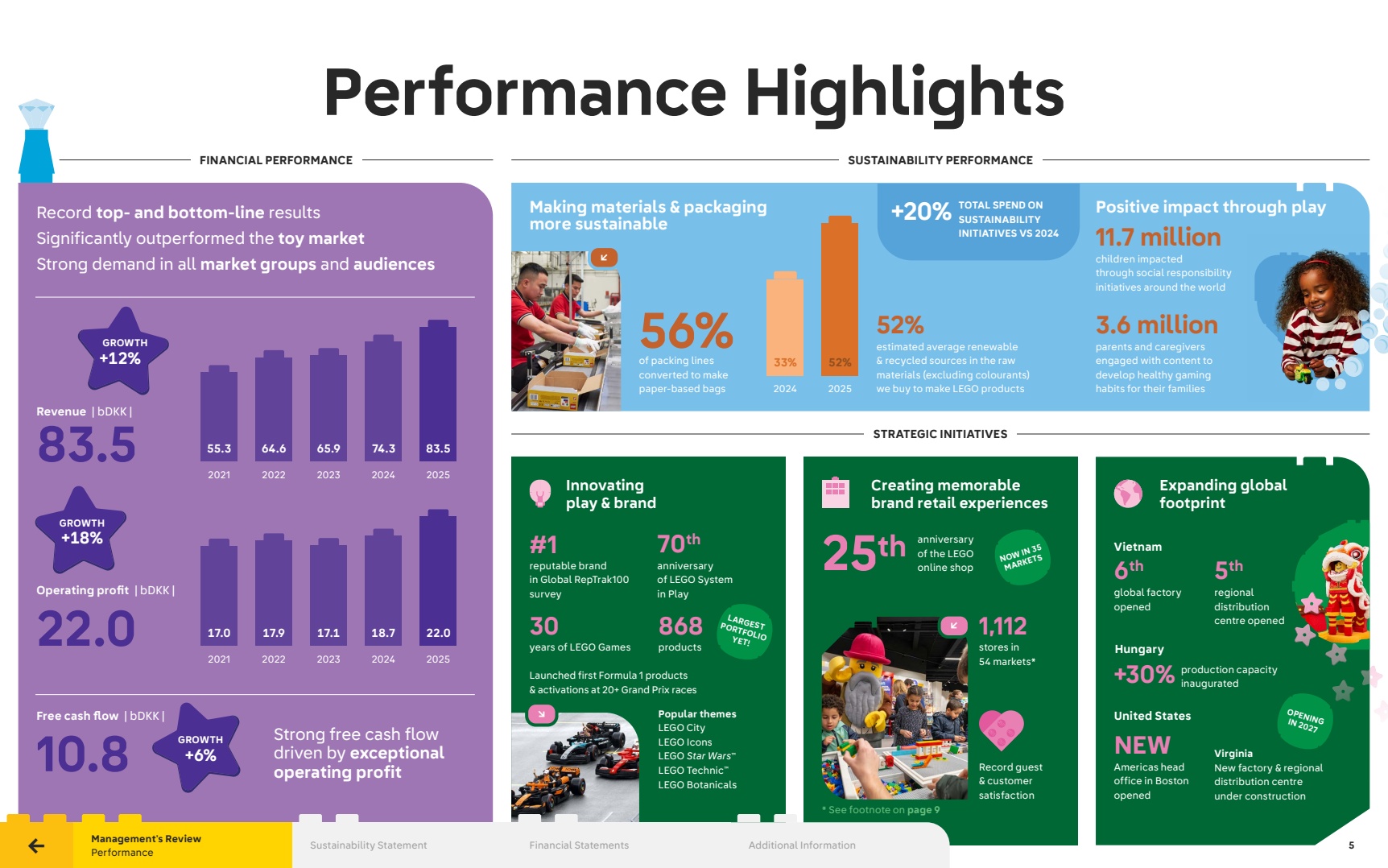
Record top- and bottom-line momentum
Behind the headlining revenue and profit numbers sit several notable drivers. LEGO’s operating margin improved to 26.4 % (from 25.2 % in 2024) thanks to strong demand, cost discipline and a favourable mix of premium sets. Free cash flow rose to DKK 10.8 billion even after a hefty DKK 9.19 billion investment programme, giving the company plenty of ammunition for new factories, digital rollouts and sustainability initiatives. Consumer sales grew 16 %, which management emphasises is more than double the toy market’s overall growth, meaning LEGO continued to gain share in its major regions.
Digital channels also delivered fresh highs: LEGO.com, which celebrated its 25th anniversary, is now live in 35 markets and welcomed record traffic with improved navigation, search and accessibility. Meanwhile, LEGO Insiders—the global loyalty ecosystem—added “millions of new members” and now underpins exclusive product drops, rewards and early access campaigns. Guest satisfaction hit an all-time high both online and in physical LEGO Brand Retail, underscoring the strength of the blended retail model.
The themes and stories driving demand
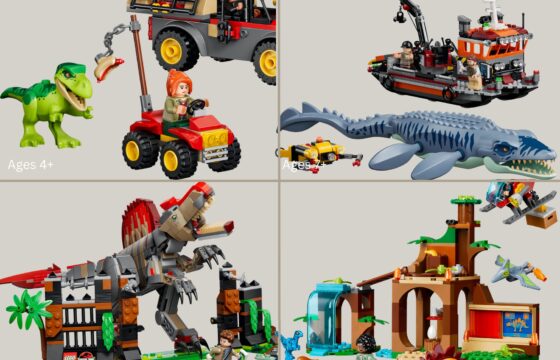
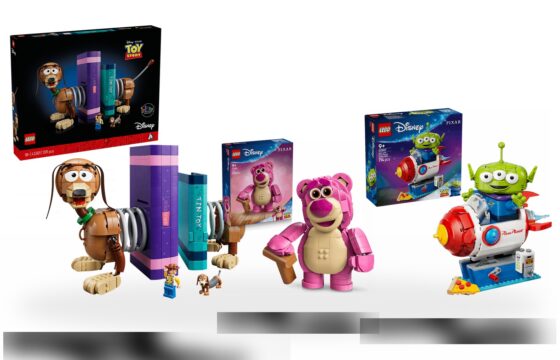
LEGO shipped a record 868 products in 2025—about half of them entirely new concepts—spanning everything from DUPLO toddler sets to 18+ display pieces. The company singles out LEGO City, Icons, Star Wars™ and Technic™ as the pillars that generated the most consumer sales. LEGO City remains the family workhorse, covering everyday adventures that appeal to first-time builders; Technic kept older kids and adults engaged with advanced engineering challenges; Star Wars delivered another slate of collector ships and helmets; and LEGO Icons continued to grow the adult fan base with recreations of pop-culture vehicles, historic landmarks and home décor pieces.
LEGO Botanicals in particular is evolving from a novelty into a full-fledged lifestyle line. After bouquets and centrepieces, 2025 brought more sculptural builds designed to fit on coffee tables or office desks, and the company says the theme is now being adapted to draw in younger builders interested in nature and mindfulness. Licensed crossovers kept the portfolio in the cultural spotlight: LEGO introduced its first Formula 1 sets and activations at 20+ Grand Prix weekends, renewed partnerships with Bluey and Nike, and turned Netflix’s One Piece saga into buildable ships and scenes. LEGO Fortnite, which blends digital gameplay with physical sets, now counts “millions of engaged players,” and the broader digital slate added LEGO Party and LEGO Voyagers on top of the 2026-bound LEGO Batman: Legacy of the Dark Knight.
Marketing carried the same energy. Campaigns like “She Built That” highlighted female STEM role models, “Never Stop Playing” captured adult fans in their creative spaces, and LEGO helped the UN launch its first International Day of Play by organising global build events. All of this kept parents, kids and adult fans thinking about LEGO stories even when they were away from the building table.
Retail, e-commerce and loyalty at scale
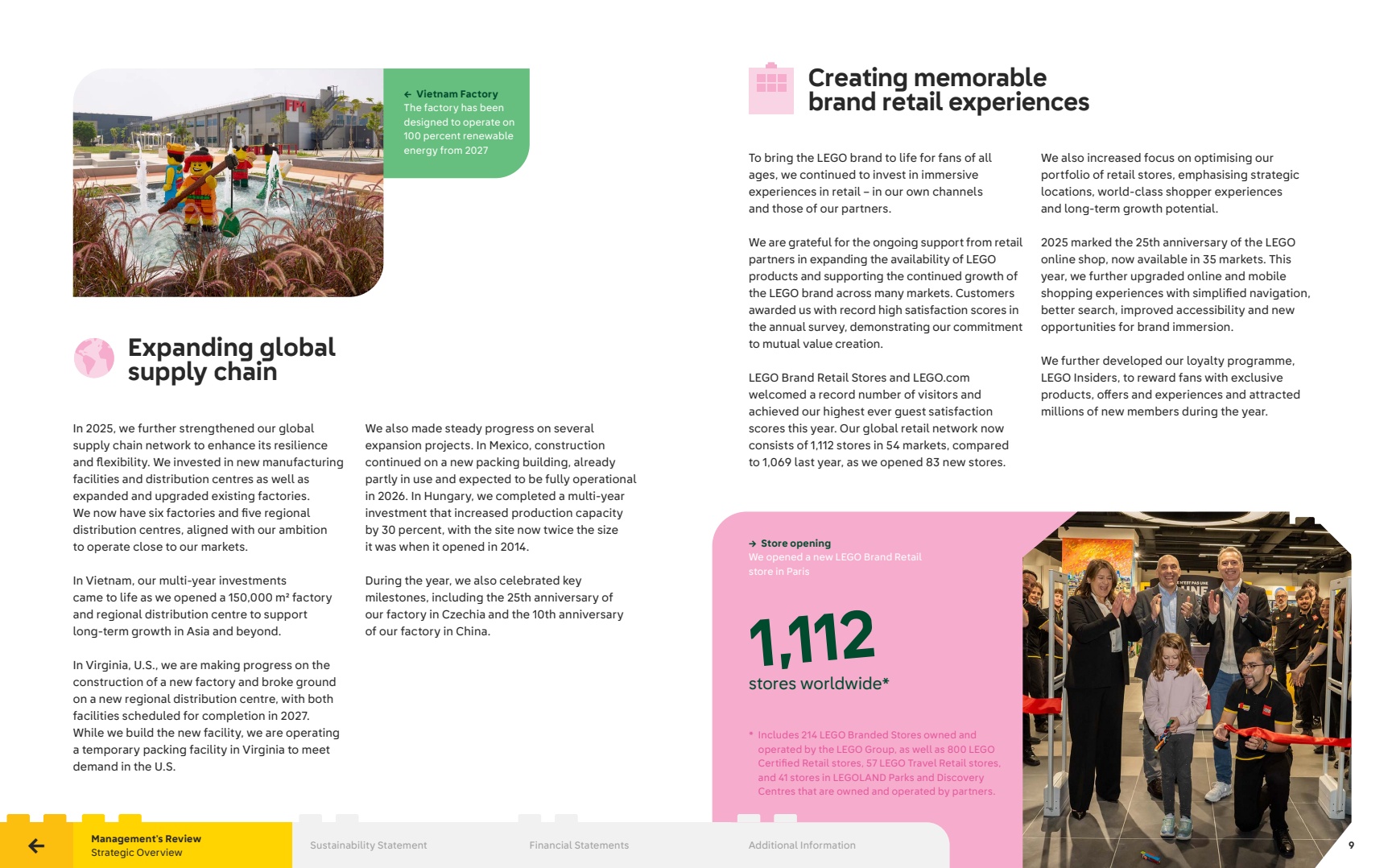
LEGO opened 43 net new stores in 2025, bringing the total to 1,112 across 54 markets. China, Europe and North America all saw new flagships, and the company says nearly every store delivered a share gain in its catchment area. The omnichannel strategy hinges on a consistent brand experience whether shoppers are in Shanghai, Chicago or online, so LEGO continued to invest in visual merchandising, digital queueing and in-store events tied to major launches. Record numbers of visitors took part in LEGO Store play experiences, and guest satisfaction hit the highest score ever recorded by the company.
Online, LEGO.com’s 25th anniversary was marked with technical improvements—cleaner navigation, upgraded search, better accessibility—and deeper integration of LEGO Insiders rewards. The loyalty programme not only offers point redemptions but also exclusive content, early pre-orders, member polls and behind-the-scenes documentaries. LEGO reports that millions of new members joined in 2025, demonstrating that adult fans and families see tangible value in staying within the LEGO ecosystem.
Manufacturing footprint and workplace investments
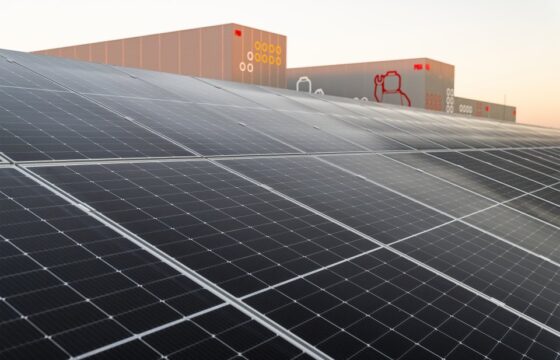
LEGO is backing up demand with a significant capital programme. The company now operates six factories and five regional distribution centres. In 2025 it opened a new 150,000 m² factory plus a regional DC in Vietnam—its first carbon-neutral site, designed to run on 100 % renewable energy by 2027 thanks to extensive solar installations. In Hungary, a multi-year expansion boosted capacity by roughly 30 %, making the Nyíregyháza site nearly twice the size it was in 2014 and introducing a geothermal energy project.
In the Americas, LEGO inaugurated its new Boston headquarters (housing teams across design, marketing and digital) and opened an office in Tempe, Arizona, for consumer and shopper engagement. Construction continues on the Virginia factory and regional DC, scheduled to go live in 2027, while a temporary packing facility is already serving US demand. In Mexico, a new packing building entered pilot operations and should be fully online in 2026. Beyond manufacturing, LEGO is reshaping its global workplaces: two new campuses are rising in Billund (the Kornmarken Campus opens to engineering teams in early 2026 and Innovation Campus follows in 2028), the London Hub will relocate to a larger Southbank site in 2027 to host up to 1,500 colleagues, and a new Copenhagen hub is in development for 2027.
The workforce reached 33,801 employees at year-end (up 8 % year on year) representing more than 130 nationalities. LEGO’s annual people survey delivered a record motivation and satisfaction score of 83, and programmes such as the Performance Management Programme (linking bonuses to people, play, partners and planet goals), global wellbeing services and family-friendly parental leave policies aim to keep engagement high.
People and culture remain central
The company continues to invest in learning, inclusion and wellbeing. Inclusion networks and leadership academies help colleagues reskill as LEGO pushes deeper into digital and experiential play, while expanded mental-health services and flexible work policies support families across more than 35 hub locations. LEGO also showcases its culture externally through campaigns such as “She Built That” and through research like the LEGO Play Well Study, which informs parents, educators and policymakers about the developmental benefits of creative play.
This focus on people is strategic: as LEGO expands engineering teams in Vietnam and Hungary, digital and marketing teams in Boston and London, and customer-engagement teams in Tempe and Copenhagen, the company needs to attract talent that can navigate both physical manufacturing and fast-moving digital content. The high colleague-engagement score suggests that this approach is resonating.
Financial discipline and strategic bets
While LEGO is investing heavily, it continues to manage cash carefully. The DKK 9.19 billion of capital expenditure in 2025 covered factories, digital platforms, product development and sustainability projects, yet free cash flow still increased thanks to strong profitability. The company also announced the acquisition of 29 LEGO/LEGOLAND Discovery Centres from Merlin Entertainments (closing 27 February 2026). Those indoor attractions draw roughly five million visitors annually, and bringing them fully under LEGO control should create tighter connections between retail, loyalty, play experiences and merchandising.
Management reiterates that capital allocation will prioritise organic investment—capacity, digital, sustainability—while maintaining a resilient balance sheet. Cash generation supports ongoing dividends to the Kirk Kristiansen family foundations, funding not only business growth but also the LEGO Foundation’s philanthropic work.
Sustainability and impact metrics
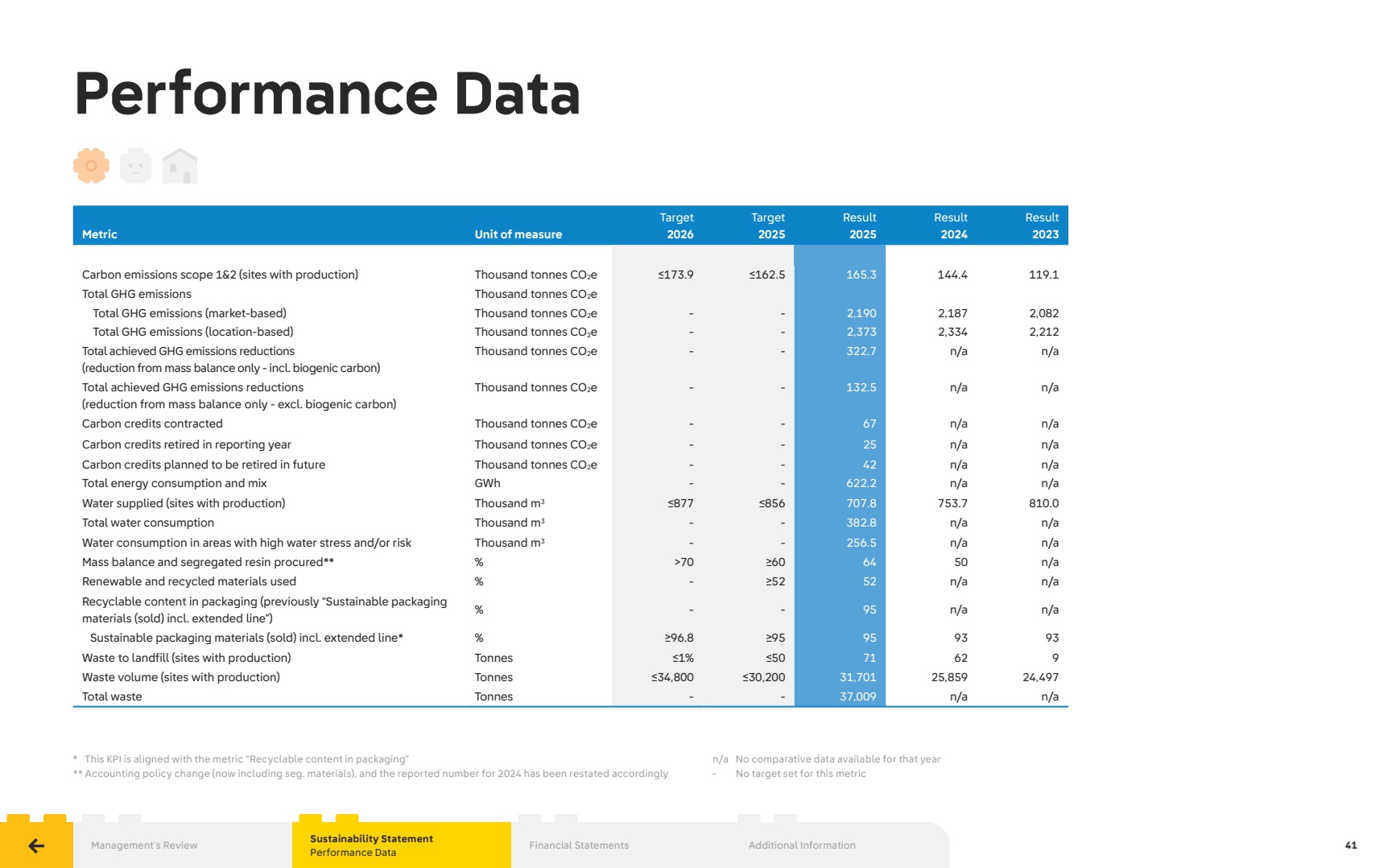
LEGO increased total spending on sustainability initiatives by 20 % in 2025 and now publishes 34 ESG metrics (up from 15). The company reports that 52 % of raw materials (excluding colourants) came from renewable or recycled sources, versus 33 % a year earlier, and emphasises that it used less virgin fossil-based material in 2025 than in 2022 even though revenue rose 29 % over that span. In packaging, 56 % of packing lines have converted to paper-based bags, sharply reducing single-use plastics. Waste to landfill from production sites fell to just 71 tonnes, and renewable energy projects—from rooftop solar arrays to the Hungarian geothermal initiative—are scaling across the network.
LEGO also tracks its social footprint: 11.7 million children participated in LEGO Play initiatives in 27 countries, and 3.6 million parents or caregivers engaged with guidance on healthy gaming habits. These programmes span hospital partnerships, after-school clubs, local NGO collaborations and home-based resources accessed through LEGO.com. With International Day of Play becoming a UN-recognised event in 2024, LEGO used 2025 to coordinate global build events and educational content around the June celebration, reinforcing the company’s advocacy for creative play as a fundamental right.
What this means for 2026
LEGO heads into 2026 with tangible tailwinds. Premium licences such as Formula 1, Dune: Part Two, One Piece and Fortnite will keep the brand present in mainstream entertainment, while the Icons, Technic and Star Wars portfolios continue to command adult collectors’ attention. On the experiential side, integrating the Discovery Centres gives LEGO more ways to connect with families between set purchases, and the planned Virginia factory should shorten lead times for North American launches once it opens in 2027.
Digitally, LEGO Insiders is quickly becoming the glue between physical and virtual play, and new game launches (plus ongoing Fortnite content) aim to keep that ecosystem vibrant. Sustainability targets remain ambitious—particularly the shift to renewable feedstocks and the expansion of paper packaging—but the 2025 results show clear momentum. With strong margins, high cash conversion and a healthy pipeline of products and partnerships, LEGO appears well positioned to keep inspiring “builders of tomorrow” while growing faster than the broader toy market.